
Elena Rybakina survived one of the most dramatic opening-round scares of the tournament after appearing on the verge of a shocking early exit against Viktoriya Ruse. What began as a worrying performance filled with unforced errors and visible frustration turned into a statement comeback that has now set the stage for a blockbuster clash with Zheng Qinwen. By the end of the night, the crowd was roaring, social media was exploding, and Rybakina had once again reminded the tennis world why she remains one of the most dangerous players on tour.
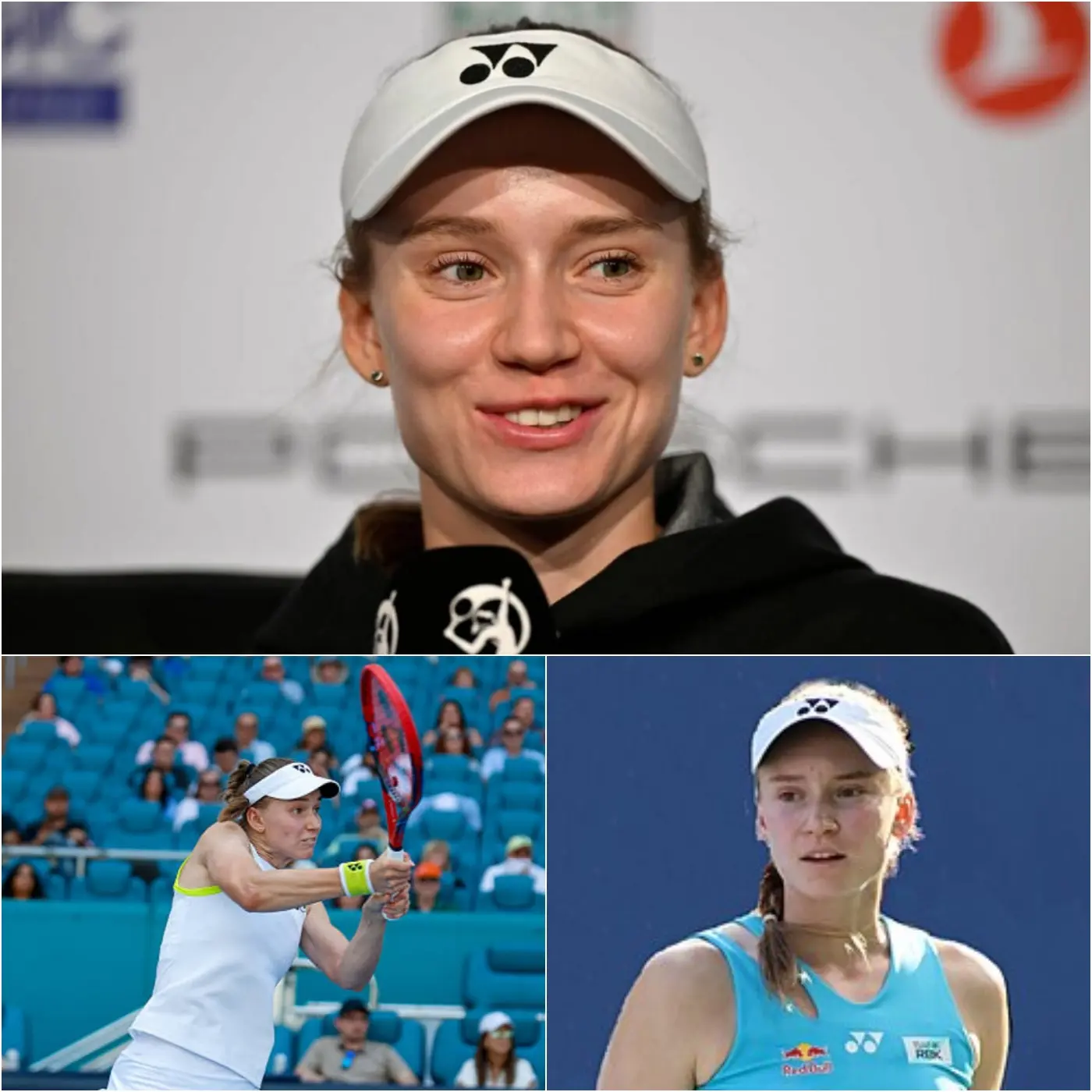
Coming into the event, Rybakina was widely considered one of the favorites. Her powerful serve, calm demeanor, and ability to dominate points from the baseline make her a nightmare opponent on almost any surface. Yet opening matches can be tricky, especially against opponents with nothing to lose. Ruse entered the contest determined to disrupt the rhythm of the higher-seeded star, and from the very first games, that plan seemed to be working perfectly.
Rybakina looked strangely unsettled in the opening set. Balls that normally fly cleanly off her racket landed long or clipped the net. Routine forehands drifted wide. Her timing on the return was late, and her usually reliable serve lacked precision. Fans in the stadium exchanged nervous looks as the errors began piling up. Instead of dictating rallies, she found herself reacting to Ruse’s aggressive court positioning and smart changes of pace.
The first set quickly turned into a nightmare.
Ruse sensed vulnerability and played fearless tennis. She attacked second serves, moved Rybakina side to side, and showed no hesitation in big moments. Meanwhile, Rybakina’s body language suggested growing frustration. She glanced repeatedly toward her player box, shook her head after missed chances, and struggled to hide irritation after another string of mistakes.
When the opening set slipped away, concern spread instantly across social media. Fans questioned whether Rybakina was carrying a physical issue, still adjusting to conditions, or simply having one of those rare days when nothing clicks. Commentators noted that top players often need time to settle into tournaments, but even they admitted the performance was alarming.
Then everything changed.
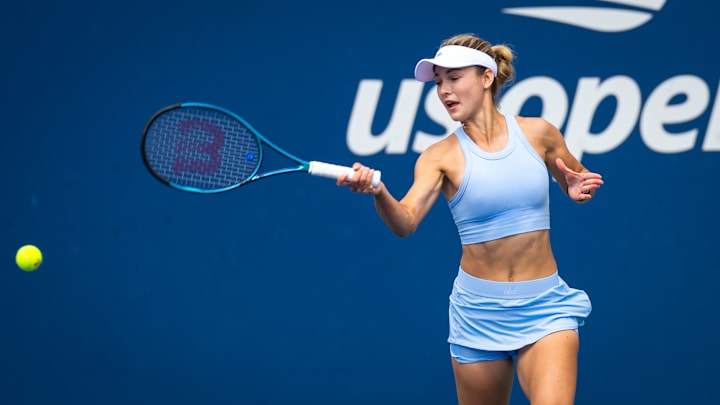
The second set began with a completely different Elena Rybakina stepping onto the court. Her movement became sharper. Her footwork looked lighter. Most importantly, her serve returned as a weapon. Suddenly, free points began arriving again. Instead of defending, she was controlling exchanges with deep, penetrating groundstrokes that pushed Ruse behind the baseline.
The shift in momentum was immediate and brutal.
Rybakina started striking her backhand with authority, opening angles and forcing rushed replies. Her forehand, shaky earlier, now exploded through the court. She broke serve, held confidently, and then broke again. The player who looked lost 30 minutes earlier had transformed into the composed champion fans expected to see.
Ruse fought hard to resist the surge. To her credit, she continued taking risks and refused to retreat mentally. But against an in-form Rybakina, small openings disappear quickly. Once the former Wimbledon champion found rhythm, she became relentless.
By the deciding set, the atmosphere inside the stadium had shifted from concern to anticipation. Spectators sensed they were witnessing one of those classic momentum reversals that define elite athletes. Rybakina no longer appeared tense. She looked focused, measured, and quietly ruthless.
Every hold of serve seemed to increase her confidence. Every booming ace brought louder cheers. Every winner drew fresh reactions from the crowd. Ruse continued competing bravely, but the balance of power had fully changed.
When match point arrived, Rybakina finished with the authority of a true contender, closing out the comeback and raising her arm only briefly in celebration. It was not an emotional outburst, but rather the controlled reaction of a player who knew she had escaped danger and grown stronger through adversity.
The victory immediately created enormous excitement because it confirmed a mouthwatering next-round battle with Zheng Qinwen.
Zheng has become one of the most talked-about rising stars in women’s tennis thanks to her explosive power, athletic movement, and growing confidence on big stages. A matchup between Zheng and Rybakina promises heavy hitting, aggressive baseline exchanges, and two players unafraid of pressure moments.
Fans began discussing the showdown within seconds of Rybakina’s win. Many called it one of the must-watch matches of the tournament. Others pointed to the contrast in styles: Zheng’s fiery intensity against Rybakina’s ice-cold composure. Analysts praised the pairing as a possible preview of future Grand Slam battles.
Yet what truly sent the internet into frenzy came moments later.
After leaving the court, Rybakina posted a short 15-word message on social media:
“Slow start, strong finish. Ready for the next challenge. See you soon.”
That simple statement spread instantly.
Supporters loved the calm confidence behind the words. There was no drama, no excuses, no lengthy explanation for the poor first set—just a concise acknowledgment of struggle followed by a warning that she was ready for more.
Within minutes, fans were reposting the message with fire emojis, predictions, and excitement for the Zheng clash. Tennis pages highlighted it as the perfect Rybakina response: minimal words, maximum impact.
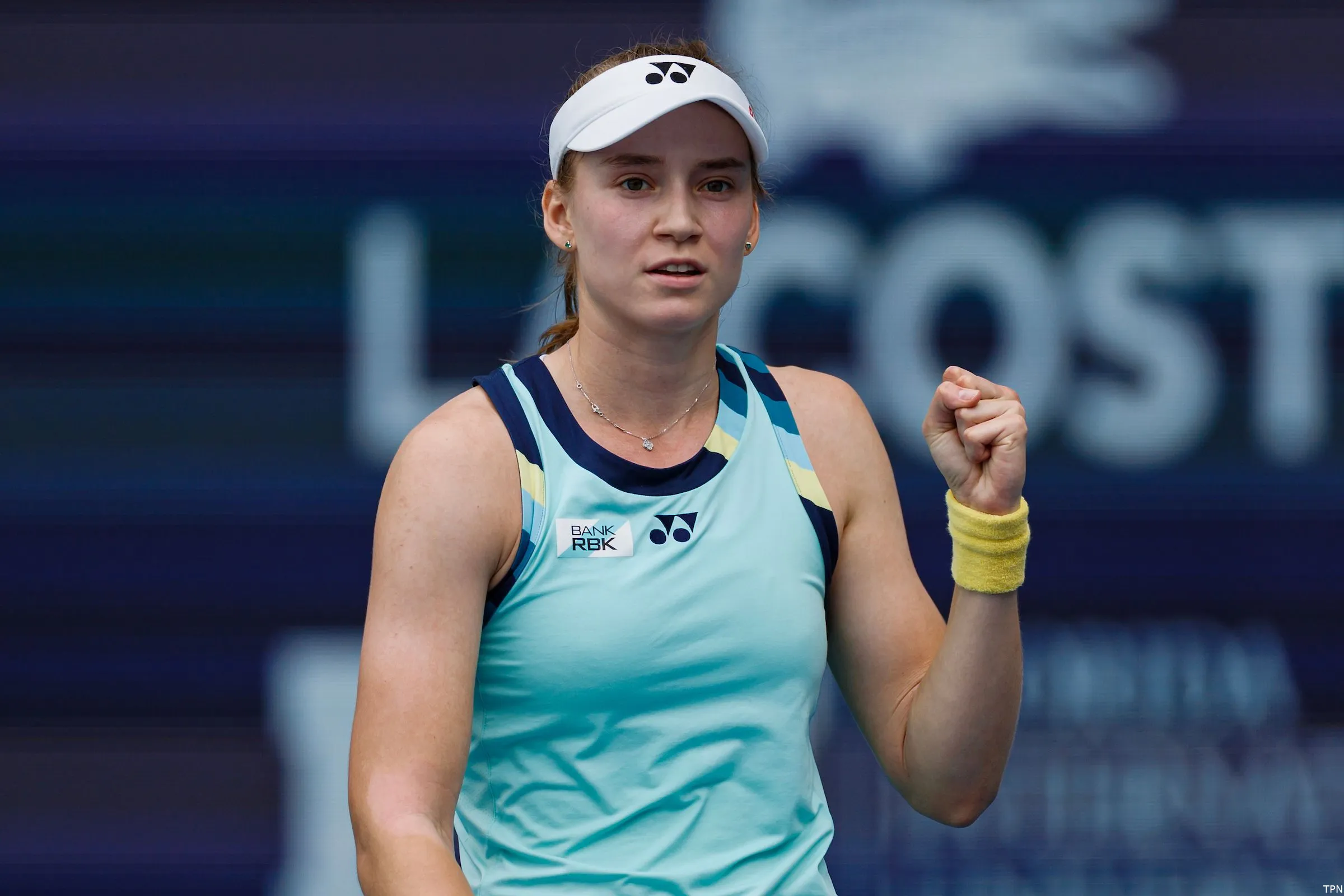
Her personality has long fascinated followers of the sport. While many stars wear emotions openly, Rybakina often remains understated. She rarely overreacts, rarely says too much, and often lets her racket speak louder than interviews ever could. That calmness can make moments like this even more powerful.
The comeback also sends a message to the rest of the draw. Winning easily is one thing. Surviving when your game is off is another. Champions often separate themselves not by avoiding bad days, but by escaping them.
Rybakina did exactly that.
She entered the tournament as a contender, nearly stumbled in her first step, then turned crisis into momentum. Now she moves forward battle-tested and dangerous.
As for Zheng Qinwen, she knows the version of Rybakina waiting next is not the shaky player from set one, but the dominant force who stormed back with precision and power.
The tournament wanted a headline showdown. It just got one.
And if Rybakina’s comeback was only the beginning, the rest of the field has every reason to be nervous.