
Alexander Zverev, the top seed at the 2026 Halle Open, faced Taylor Fritz in the semifinals. The German player ultimately fell short in a competitive three-set match. Following the contest, Zverev shared details about difficulties managing his blood sugar levels during the encounter.

The match took place on grass courts in Germany as part of preparations for the upcoming Wimbledon tournament. Fritz secured the victory with a score of 6-7(4), 6-4, 7-5 after two hours and 39 minutes. This result extended the American’s strong head-to-head record against Zverev.
In his post-match comments, Zverev addressed the factors affecting his performance. He mentioned a back issue but emphasized that blood sugar complications were the primary concern. The world No. 3 explained that a glucose sensor provided inaccurate readings before the match.
Zverev, who has lived with Type 1 diabetes since the age of four, relies on continuous glucose monitoring technology. According to his account, the sensor indicated elevated blood sugar levels when they were actually low. This led him to administer more insulin than necessary.
The misreading prompted Zverev to consume significant amounts of sugar during the match to counteract potential hypoglycemia. He reported taking in approximately 300 to 350 grams of sugar in the early stages. The player described feeling unwell as a result of these adjustments.
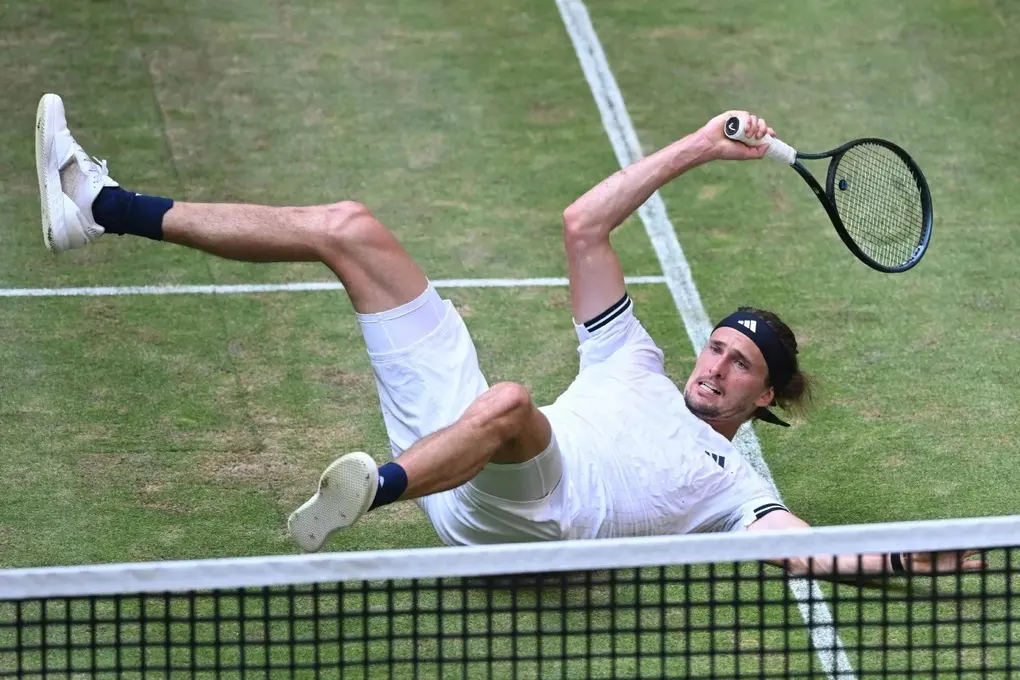
Despite the challenges, Zverev managed to claim the first set in a tiebreak. Fritz responded strongly in the second set, leveling the match. The third set remained closely contested before the American prevailed. Observers noted Zverev appeared to be dealing with physical discomfort at times.
This incident marks the first time Zverev has publicly detailed such a significant sensor-related issue during competition. He noted that he had used the same device since 2017 without experiencing a comparable error previously. Medical timeouts were taken during the match.
Taylor Fritz, reflecting on the victory, acknowledged sensing that his opponent was not at full capacity. The American focused on maintaining his own performance and capitalizing on opportunities. Fritz praised Zverev for competing under difficult conditions.
Zverev’s journey with Type 1 diabetes is well-documented in tennis circles. Diagnosed as a young child, he has balanced elite-level competition with careful health management throughout his career. He has been open about the condition in recent years and established a foundation to support affected children.
The Alexander Zverev Foundation, launched in 2022, aims to provide resources and promote active lifestyles for young people with diabetes. Partnerships with medical technology companies have helped raise awareness about managing the condition while pursuing athletic goals.
In professional tennis, maintaining stable blood sugar levels presents unique demands. Matches can last several hours under varying temperatures and physical stress. Athletes like Zverev must monitor nutrition, insulin, and activity levels continuously alongside tactical decisions on court.
Zverev has previously discussed playing what he describes as two matches simultaneously: one against the opponent and another managing his diabetes. This requires constant vigilance with glucose readings, hydration, and energy intake during high-intensity play.
The Halle Open serves as an important grass-court tune-up event. Top players use the tournament to adjust to the surface ahead of Wimbledon. Zverev entered the semifinals on a 10-match winning streak before the loss to Fritz.
Fritz’s success against Zverev continued a notable pattern in their recent meetings. The American has demonstrated strong grass-court form, reaching another final in Halle. His serve proved effective, contributing significantly to the outcome.
Discussions around athlete health in tennis often highlight the importance of reliable monitoring tools. Zverev’s experience underscores potential limitations even with advanced technology. It also illustrates the resilience required to compete at the highest level with chronic conditions.
Fans and commentators expressed support for Zverev following his disclosure. Many appreciated his transparency regarding health challenges. The tennis community frequently recognizes the dedication of players managing additional medical considerations.
Zverev’s career includes multiple ATP titles, Olympic success, and a recent French Open victory. These accomplishments demonstrate his ability to perform despite diabetes. His visibility has helped destigmatize the condition for others.
Medical experts note that Type 1 diabetes involves the immune system attacking insulin-producing cells. Individuals require lifelong insulin therapy and careful monitoring. Advances in sensor technology have improved daily management for many patients.
In sports, factors like heat, duration of exercise, and stress can influence blood glucose. Zverev’s situation in Halle involved warm conditions, adding complexity to his management strategy. He adjusted by consuming glucose gels to stabilize levels.
Post-match analysis focused on both the sporting result and the health aspect. Zverev dismissed back concerns as secondary. He expressed disappointment with the sensor performance but maintained a professional outlook moving forward.
The tennis calendar continues with grass-court events leading into Wimbledon. Players must recover physically and prepare strategically. Zverev’s team will likely review monitoring protocols to prevent similar issues.
Fritz advanced to the Halle final against fellow American Frances Tiafoe. The all-American matchup highlighted strong domestic form on grass. Both finalists demonstrated consistency throughout the tournament.
Broader conversations in sports medicine address accommodations for athletes with diabetes. Organizations continue to refine policies ensuring fair and safe competition environments. Zverev has advocated for greater understanding in this area.
Public interest in Zverev’s health disclosure reflects growing awareness of invisible challenges in elite sports. Supporters value authenticity when athletes share such experiences. This can inspire others facing similar conditions.
Zverev has competed at the highest levels for years while navigating diabetes. His foundation work and partnerships emphasize empowerment and access to care. These efforts extend his impact beyond the court.
Looking ahead, the German player will focus on recovery and fine-tuning preparations. The incident serves as a reminder of the unpredictable elements in professional athletics. Reliable technology and adaptive strategies remain essential.
Tennis enthusiasts continue to follow developments as the grass season progresses. Both Zverev and Fritz represent high standards of competitiveness and professionalism. Their matches often deliver engaging contests for audiences worldwide.
Health management remains a personal and evolving process for athletes. Zverev’s willingness to discuss challenges contributes to open dialogue. It highlights the balance between performance demands and well-being.
The Halle Open has a rich history of showcasing top talent. This year’s edition featured competitive semifinals and notable storylines. Zverev’s participation drew significant local support as a German favorite.
As the tennis season advances, focus shifts to major championships. Players refine all aspects of their game, including physical conditioning and health protocols. Experiences like Zverev’s inform future approaches.
Overall, Zverev’s post-match revelations provide context for the Halle semifinal outcome. They emphasize the multifaceted nature of elite sports performance. Fans look forward to his continued contributions on and off the court.